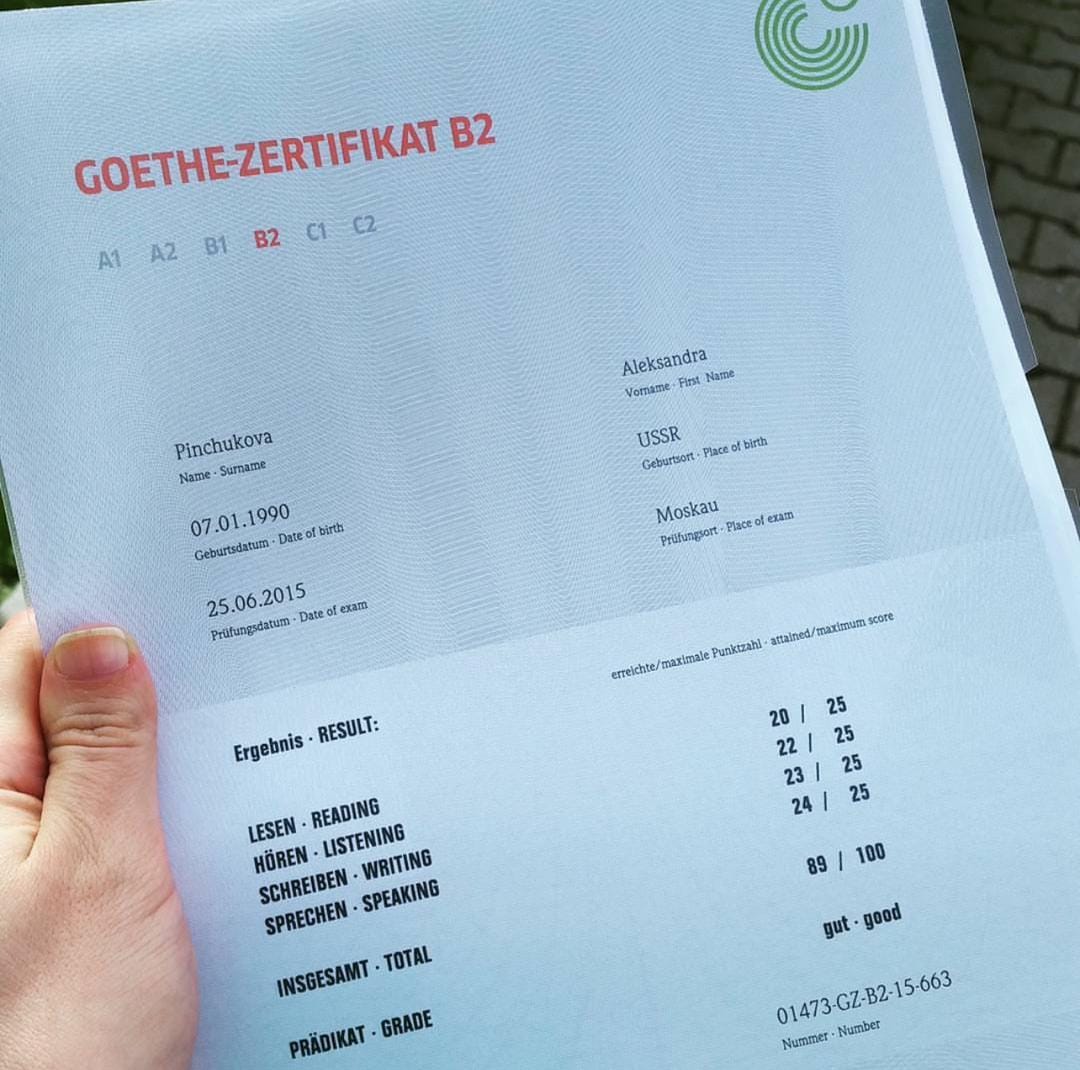
14 Questions You Might Be Uneasy To Ask Buy B1 Certificate
Understanding the B1 Certificate: A Comprehensive Guide
Worldwide of language proficiency, the B1 Certificate holds a considerable place, mainly serving as evidence of an intermediate level of language abilities. Telc B1 Prüfung Zertifikat digs deeply into what the B1 Certificate is, why it's important, how to get it, and common questions surrounding this certification.
What is the B1 Certificate?
The B1 Certificate is a language efficiency accreditation that lines up with the Common European Framework of Reference for Languages (CEFR). It suggests that an individual can understand and communicate in a language (usually English, however also relevant to other languages) at an intermediate level. This means that a B1 speaker can:
- Understand the main points of clear standard speech on familiar matters.
- Handle the majority of scenarios most likely to develop while traveling or studying in an area where the language is spoken.
- Produce easy connected text on subjects that recognize or of individual interest.
- Describe experiences, events, dreams, and aspirations, in addition to describe factors for opinions and strategies.
Why is the B1 Certificate Valuable?
Getting a B1 Certificate can yield several benefits, including:
Educational Opportunities: Many academic institutions need a B1 level of efficiency for admission to certain programs, particularly those taught in the target language.
Work Prospects: Employers often look for individuals with proven language skills, and a B1 Certificate can enhance one's CV.
Immigration and Residency: Some nations need evidence of language proficiency for residency applications or citizenship, and a B1 Certificate is often adequate for these purposes.
Individual Motivation: For lots of, acquiring a B1 Certificate represents a turning point in their language learning journey, providing motivation to continue improving.
How to Obtain a B1 Certificate
Acquiring a B1 Certificate generally involves taking a standardized language assessment. The procedure typically includes the following steps:
1. Preparation
Candidates can pick from numerous research study methods, including:
- Classes: Enrolling in language courses particularly designed to prepare trainees for the B1 examination.
- Self-Study: Utilizing textbooks, online resources, and language knowing applications.
- Language Exchange: Practicing with native speakers or fellow learners.
2. Selecting an Exam
Numerous organizations offer B1 level assessments, each with various formats and scoring systems. A few of the most recognized tests consist of:
Examination Body
Exam Name
Language Offered
Cambridge Assessment
B1 Preliminary (PET)
English
Goethe-Institut
Goethe-Zertifikat B1
German
DELF/DALF
DELF B1
French
Instituto Cervantes
DELE B1
Spanish
Trinity College London
ISE Foundations
English
3. Signing up for the Exam
As soon as prepared, candidates can sign up for their picked examination through the particular organizations' websites or local evaluation centers. Registration frequently requires the submission of individual info and payment of evaluation fees.
4. Taking the Exam
The B1 examinations usually examine four primary skills:
- Listening: Understanding spoken language in different contexts.
- Reading: Comprehending written texts, such as short articles and messages.
- Writing: Producing text associated to personal or familiar subjects.
- Speaking: Demonstrating conversational skills through dialogues or discussions.
5. Receiving the Results
After taking the exam, prospects will get their outcomes within a designated timeframe, generally varying from a couple of days to numerous weeks. Effective prospects will get their B1 Certificate.
Regularly Asked Questions (FAQ)
1. How long does it take to prepare for the B1 Certificate?Preparation time varies depending upon the individual's present efficiency level and research study dedication. Usually, it may take anywhere from 3 to 6 months of dedicated study to reach B1 proficiency.
2. What materials are advised for B1 preparation?Suggested products include CEFR-aligned books, online courses, language apps like Duolingo, and practice examinations.
3. Can I take the B1 examination online?Yes, many assessment bodies now provide online testing options. Prospects ought to check the specific procedures of the assessment they pick.
4. What takes place if I do not pass the B1 exam?Prospects can retake the examination after a given duration, normally after a few months. Continued study and practice are encouraged to enhance scores.
5. Is the B1 Certificate recognized internationally?Yes, the B1 Certificate is extensively recognized in different countries, especially for academic and immigration purposes.
The B1 Certificate is not just a piece of paper validating language proficiency; it is a secret that opens doors to different opportunities in education, work, and individual development. By comprehending the requirements, preparation methods, and benefits of getting this certificate, prospects can navigate their language discovering journey better. For those considering acquiring the B1 Certificate, now is the time to act and embark on this fulfilling course.
With the right method and devotion, achieving B1 efficiency can be a substantial action towards fluency and additional language ventures.